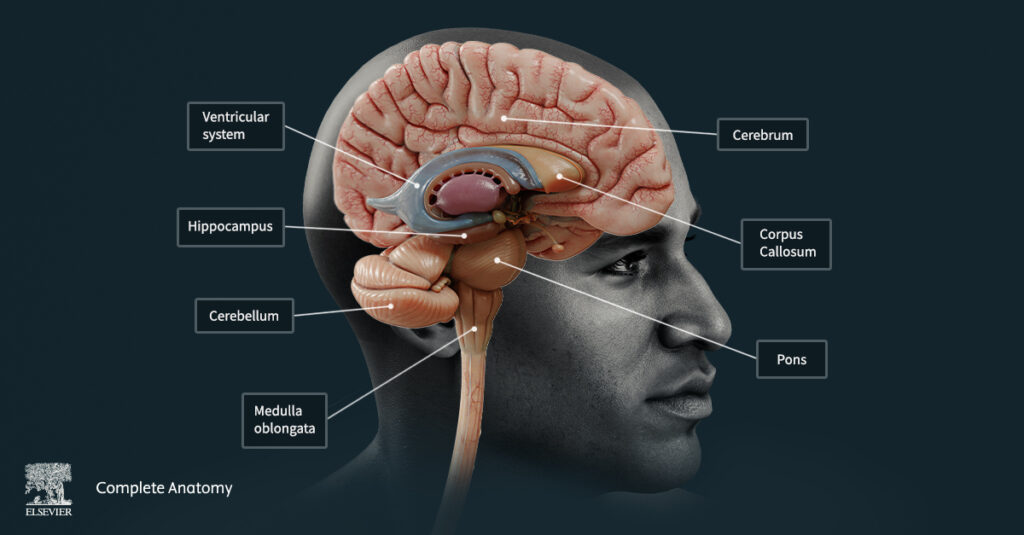
What is a Brain Tumor and their symptoms Brain tumor and symptoms are important to understand for early diagnosis and treatment. A brain tumor is a mass of abnormal cells that develops in or around the brain. It can be benign (non-cancerous) or malignant (cancerous). As the brain tumor grows, it may put pressure on nearby brain tissue, affecting how the brain functions. Since the brain controls movement, memory, vision, speech, and balance, brain tumor symptoms can vary from person to person. Common early signs of a brain tumor may include headaches, seizures, memory loss, blurred vision, speech problems, and balance issues. Recognizing the warning signs of brain tumor and symptoms early is very important because early diagnosis and timely treatment can lead to better recovery and improved health outcomes. What is Brain Tumor What Is a Tumor in the Brain? When cells in the brain grow out of control, a brain tumor forms. There are two main kinds: 1. Non-cancerous brain tumor These tumors are not cancerous, and they usually grow slowly. 2. Brain Tumor That Is Cancerous These tumors are cancerous and can grow quickly, hurting nearby brain tissue. Cancer from another part of the body can sometimes move to the brain. This is known as a metastatic or secondary brain tumor. Early Sign of Brain Tumor and symptoms Brain tumor and symptoms depend on several factors such as the size of the tumor, where the tumor is located, how fast it grows, and the pressure inside the skull. Every person may experience different signs depending on which part of the brain is affected. Common brain tumor and symptoms include frequent headaches, feeling sick, vomiting, blurry or double vision, and seizures. Some people may also experience memory loss, confusion, difficulty speaking, weakness in the arms or legs, and trouble with balance. In many cases, changes in personality, hearing loss, and dizziness can also be important brain tumor and symptoms that should not be ignored. Recognizing these signs early can help in timely diagnosis and better treatment outcomes. Seizure and Sudden Neurological Symptoms Seizures and sudden changes in the nervous system Seizures are a big red flag, especially if the person has never had one before. Some signs may be: quick jerking movements stiffness in the body not being aware of what’s going on, staring episodes, and being confused after the event If this happens, you need to see a doctor right away. Symptoms Related to Vision and Eyes Brain tumor and Symptoms Related to Vision and Eyes A tumor can affect the part of the brain that controls vision. Some common signs are: blurry vision, double vision, loss of side vision, trouble focusing, and problems moving the eyes Brain Tumor Location Frontal Lobe Symptoms Symptoms of the frontal lobe include changes in personality.mood swings, trouble focusing, trouble walking, and weaknessSigns and symptoms of the temporal lobetrouble with memorytastes or smells that are strangetrouble speakingSymptoms of the Parietal Lobe: numbness, changes in the senses, and trouble recognizing things.Symptoms of the Occipital Lobe include loss of vision and blurry vision. Sign of Brain Tumor in Adult and Children Signs of Brain Tumors and symptoms in Adults Early For adults, symptoms often start off slowly. Some common early signs are: headache all the timetiredness that can’t be explainedproblems with memoryfeeling dizzynot being able to keep your balancetrouble talking These symptoms could get worse over time. Signs of Brain Tumors in Kids Kids may have symptoms that are a little different. Parents should look out for: throwing up in the morningheadache and trouble with balancechanges in visionsleepiness that is not normalschool performance going down seizuresloss of vision blurred vision Brain Tumor Cause Things that can cause it and things that make it more likely to happen It’s not always clear what caused it. But there are some things that can make it more likely to happen: family historyexposure to radiation inherited genetic syndromesa history of cancerRisk that comes with getting olderWhen should you go to the doctor? If you have any of the following symptoms, please see a doctor: getting worse, lasting for days, making it hard to do everyday things, causing seizures, or making you feel weak or confused How is a Brain Tumor Diagnosed ? How do doctors find out if someone has a brain tumor? Doctors might suggest: neurological exam, MRI scan, CT scan, vision tests, and biopsy AQ: Brain Tumor and Symptoms What are the first symptoms of a brain tumor? The first symptoms are usually headache, nausea, vision problems, and memory changes. Can a brain tumor cause daily headaches? Yes, especially headaches that are worse in the morning. Are all headaches signs of brain tumors? No, most headaches are caused by other common reasons such as stress or migraine. Can symptoms come and go? Yes, early symptoms may appear mild and become stronger over time.